
Currently Empty: ₹0.00
About
- Home
- About
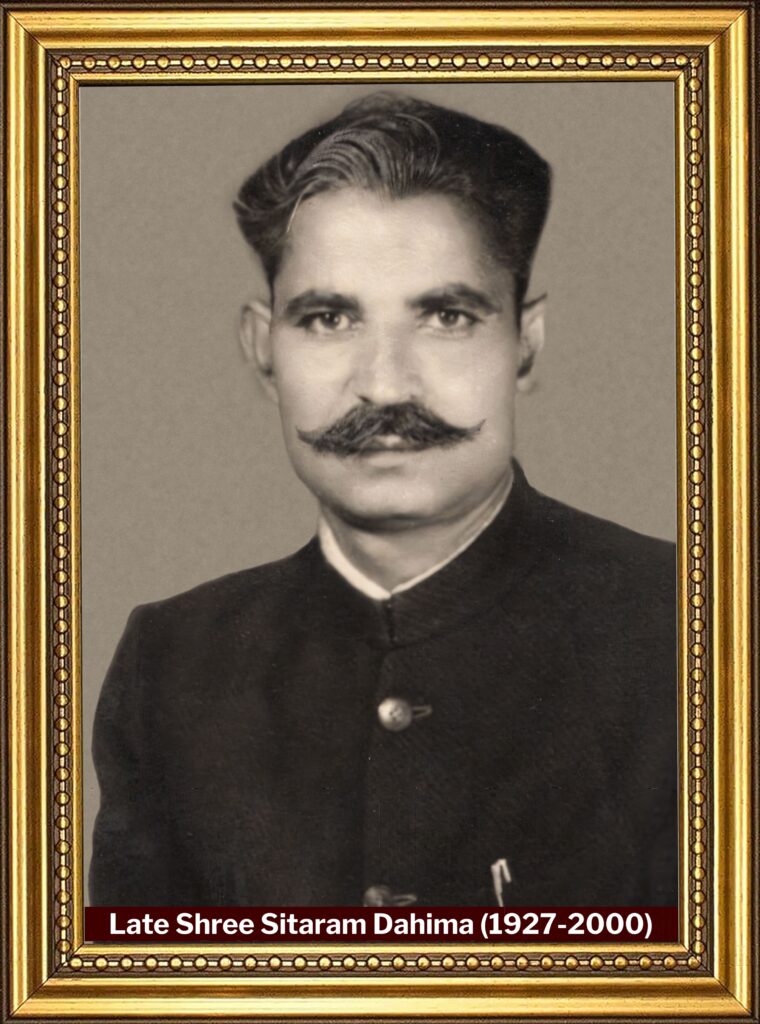
Our Story
In 1927, on the auspicious occasion of Ganesh Chaturthi, Shree Sitaram Ji Dahima was born to Late Shree Gopiram Ji Dahima in Sadulpur (Rajgarh), located in the Churu district of Rajasthan. From an early age, he was known for his honesty, hard work, determination, and exceptional talent. His father, Late Shree Gopiram Ji Dahima, worked as a cook in Sadulpur (Rajgarh) and later in Kolkata.
After losing his parents at a young age, Shree Sitaram Ji Dahima decided to rebuild his life with dignity and determination. To overcome poverty and establish his self-respect, he started a small paan shop in the Ghantaghar Main Market.
The foundation of this remarkable journey was laid in 1945, when Grandfather created his unique sharbat recipe in Sadulpur (Rajgarh), Churu, Rajasthan.
The Churu district is known for experiencing some of the highest summer temperatures in India. To help people cope with the intense heat, Grandfather began supplying large blocks of ice alongside running his paan shop. He also introduced delicious “goli” (popularly known as Khatta Goli), which quickly became the most popular among customers. During the scorching summer of 1945, he envisioned a healthy and refreshing drink made from pure rose water. Unsatisfied with the taste and quality of ordinary syrups available at the time, he carefully sourced the finest roses and pure rose water to create a natural, chemical-free rose sharbat. Prepared fresh at the shop itself, the drink soon became famous for its rich taste, cooling effect, and unmatched quality. His unique preparation style and secret recipe made it a favourite summer beverage among the locals.
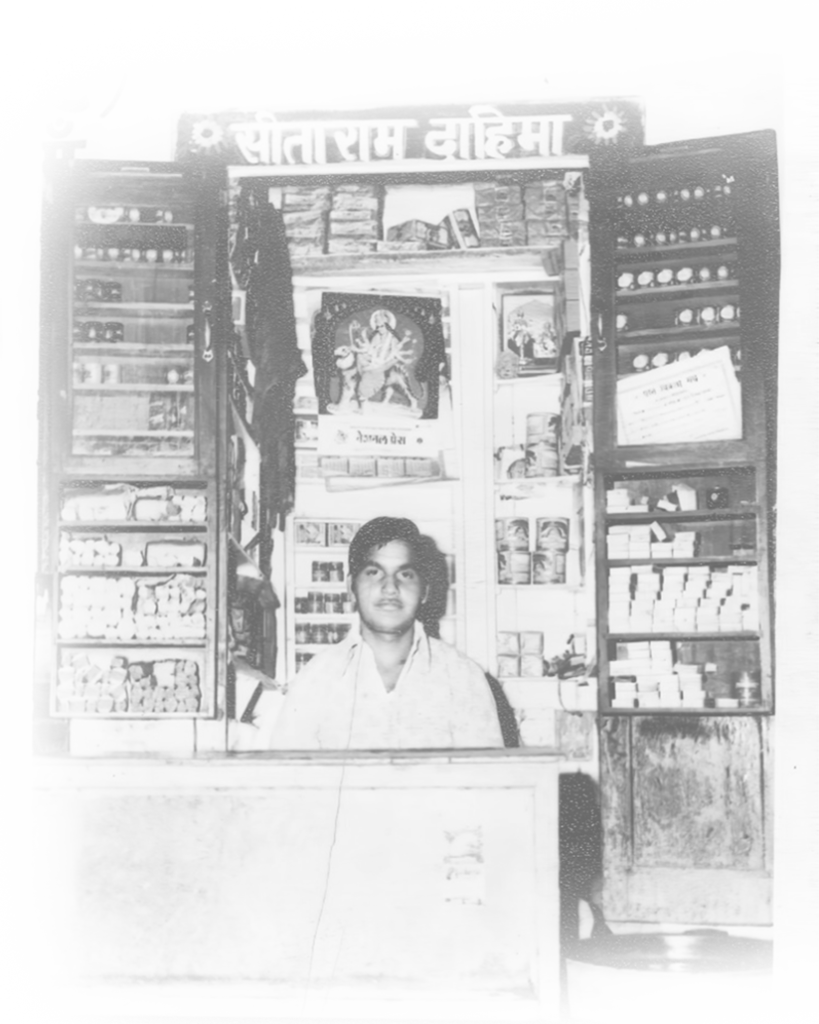
Initially, only 15 bottles could be prepared in a single batch, and the sharbat was stored in glass bottles. However, as word spread, people began lining up outside the shop to enjoy the famous Gulab Sharbat. Encouraged by the overwhelming response, Grandfather gradually increased production and expanded the business. Later, he introduced another unique flavour — Kesar (Saffron) Sharbat, which earned admiration for its distinct taste and purity, despite being expensive and difficult to sell initially due to its premium ingredients.
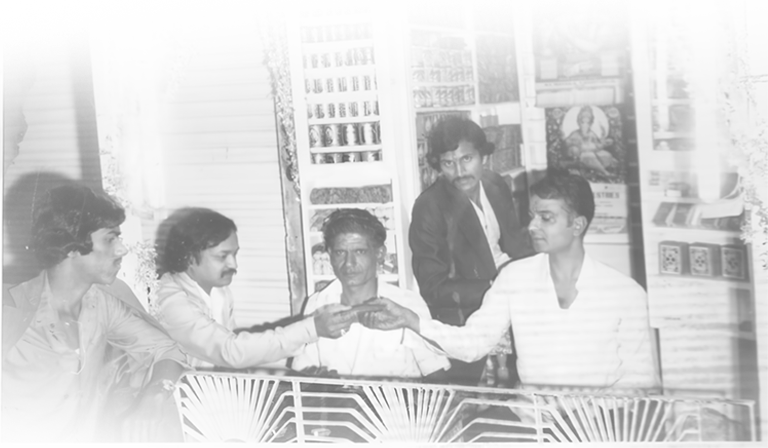
As the popularity of the sharbat grew, customers requested bottled versions to take home. Grandfather then began selling bottled rose sharbat with the support of his son, Shree Nand Kumar Dahima, and daughter-in-law, Late Mrs Sushila Devi Dahima. Eventually, he passed this treasured tradition on to his grandson, Shree Ganesh Dadhich, teaching him not only the recipe and preparation process but also the importance of maintaining quality above profit.
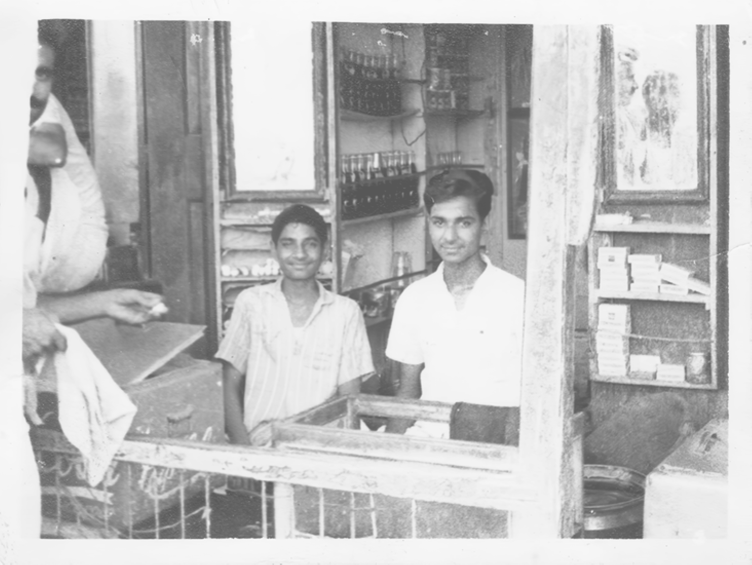
He would always say:
“If you cannot continue the business, it is better to stop it — but never adulterate the sharbat or compromise on the quality of raw materials for the sake of profit.”
“अगर आप से नहीं बने तो आप बंद कर दीजियेगा, पर कभी भी शरबत में मिलावट, या हल्की वस्तुओं का प्रयोग मत कीजिये।”
In 2000, Grandfather passed away, but his legacy continued through his eldest grandson, Ganesh Dadhich, who carried forward the business using the same traditional recipe and values.
He introduced several new flavours while preserving the original quality and authenticity. Each flavour was named “KHAAS,” meaning “Special,” reflecting its uniqueness and premium quality. Plans also included flavours such as Tulsi Khaas, Chandan Khaas, and many more.
Ganesh Ji devoted years to research and experimentation to naturally extend the shelf life of the sharbat without adding chemicals or preservatives. His efforts proved successful, allowing the products to reach customers across India while maintaining their purity and longer-lasting freshness.
In 2017, Himanshu Dadhich, the youngest grandson of Shree Sitaram Ji Dahima, took the family legacy to the digital world by launching four signature flavours online — Gulab Khaas, Kesar Khaas, Khus Khaas, and Kewra Khaas — making them accessible to customers nationwide.
He also officially registered the brand name “Dadaji’s” with the Government of India, giving the family exclusive rights to manufacture, market, and sell products under the Dadaji’s brand.
The legacy of Late Shree Sitaram Ji Dahima’s paan and sharbat business continues to be honoured and celebrated today. For the family, these traditional sharbat recipes represent more than just drinks; they symbolise heritage, purity, hard work, and the blessings of their beloved grandfather.
And thus, the legacy of Dadaji’s continues forever.